These ancients from Persia (Iran) really knew how to manage scarce water resources , more than 3000 years ago :
Regards
These ancients from Persia (Iran) really knew how to manage scarce water resources , more than 3000 years ago :
Regards
Interesting, I wish there were maps of them and more details with
accompanying views inside as well as explanatory diagrams. Was disappointed
that the video was so brief and the article was missing images to give more
useful details. The link you sent had "Another" postfixed to it, that needs
to be removed to view the article:
(Oops, hit the shortcut to send the last email before I got the URL
attached)
Interesting, I wish there were maps of them and more details with
accompanying views inside as well as explanatory diagrams. Was disappointed
that the video was so brief and the article was missing images to give more
useful details. The link you sent had "Another" postfixed to it, that needs
to be removed to view the article:
https://www.nationalgeographic.com/news/2017/05/iran-qanat-irrigation-engineering-history-video/
Sidhartha,
It seems that the page isn't there anymore.
Dean
Yes sure Soretna . Dean , you could refer to this URL link attached by Soretna.
I think because this topic relates to Iran , the original content of the article has been tampered with :))
Anyhow ,some of these long forgotten , but proven techniques of water management could still be of help to our water starved civilisation !
Regards On Sunday, August 4, 2019, 12:21:48 AM GMT+5:30, Soretna [email protected] [ALLPLANETS-HOLLOW] <[email protected]> wrote:
(Oops, hit the shortcut to send the last email before I got the URL attached)
Interesting, I wish there were maps of them and more details with accompanying views inside as well as explanatory diagrams. Was disappointed that the video was so brief and the article was missing images to give more useful details. The link you sent had "Another" postfixed to it, that needs to be removed to view the article:See the Ancient Water Tunnels Below Iran's Desert | National Geographic
sidharthabahadur wrote:
These ancients from Persia (Iran) really knew how to manage scarce water resources , more than 3000 years ago :
http://news..nationalgeographic.com/2017/05/iran-qanat-irrigation-engineering-history-video/Another
Regards
Sidhartha, have you found details for the methodologies of how they do
this? The methodology is just very brief and lacks detail in the article's
video.
Soretna , no worries :)) Here is all the information & youtube videos you will need , even if you want to make your own "qanat" under some desert !
This concept was created by an ancient group of Vedic priests, possessing secret knowledge , from the borderlands of ancient India and Persia , the Magi - yes the same people who are called the Biblical Magi (3 wise men from the East) and are the original source of knowledge for ALL the esoteric/secret societies in existence till today . Today, not much information is available in the public domain about the who the ancient Magi as a people really were...
The English language itself has several words , about 208 in total that have Magi as their root word - Magic , Magistrate , imagine , pilgrimaging etc. etc.
http://www.thefreedictionary.com/words-containing-magi
|
|
|
| | |
|
|
|
| |
Qanat
Common variants of qanat in English include kanat, khanat, kunut, kona, konait, ghanat, ghundat.[9]
|
|
|
The Persian Qanat
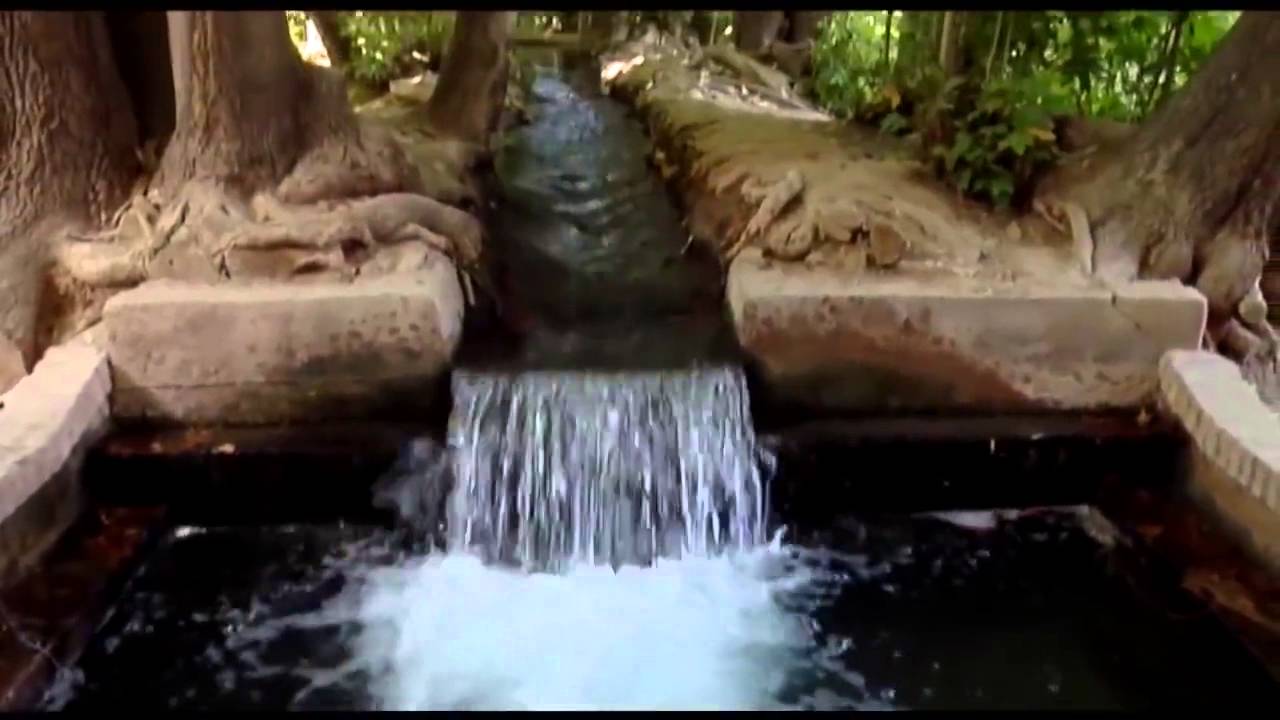
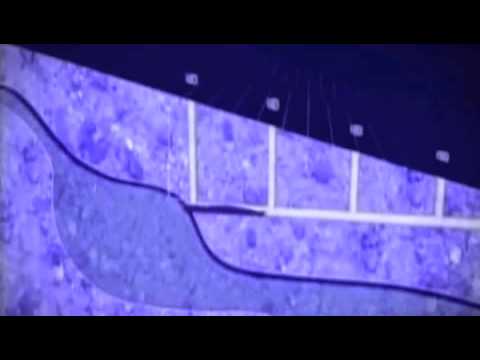
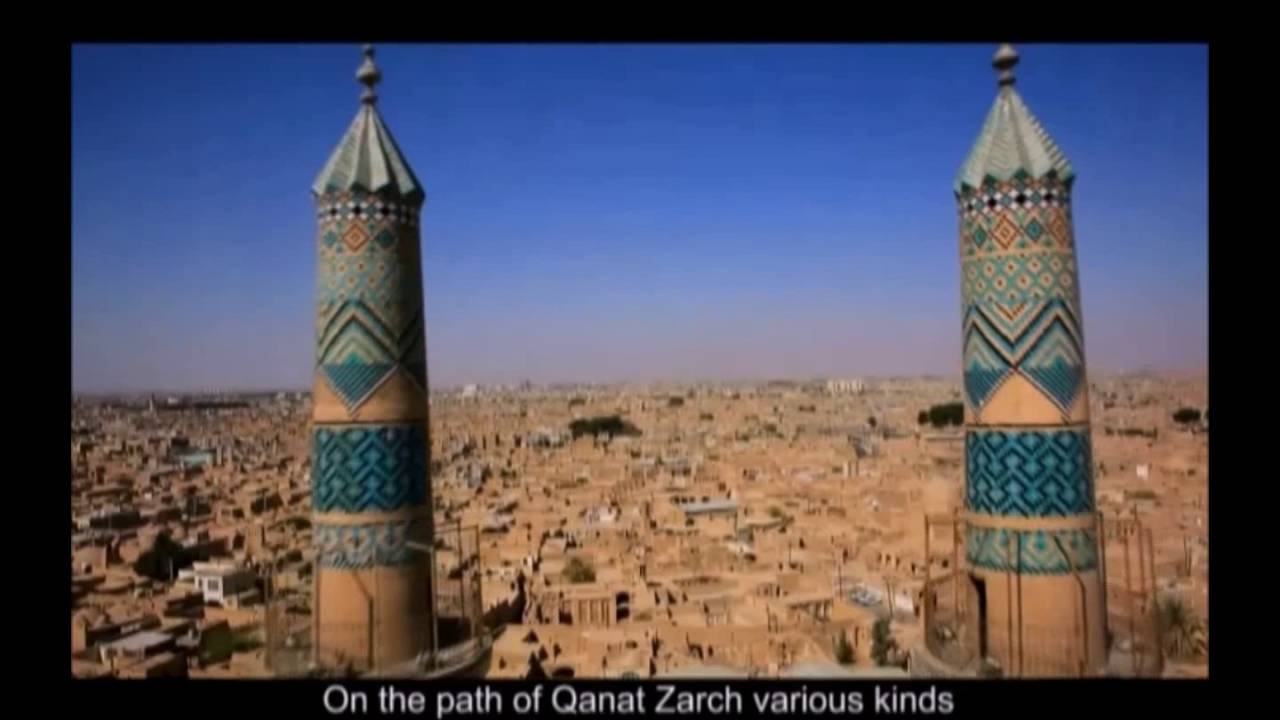
Throughout the arid regions of Iran, agricultural and permanent settlements are supported by the ancient qanat system of tapping alluvial aquifers at the heads of valleys and conducting the water along underground tunnels by gravity, often over many kilometres. The eleven qanats representing this system include rest areas for workers, water reservoirs and watermills. The traditional communal management system still in place allows equitable and sustainable water sharing and distribution. The qanats provide exceptional testimony to cultural traditions and civilizations in desert areas with an arid climate.
Dutch The Persian Qanat: Aerial View, Jupar, Bagh-e Shahzadeh(Mahan) © S.H. Rashedi
Outstanding Universal Value
Brief synthesis
Throughout the arid regions of Iran, agricultural and permanent settlements are supported by the ancient qanat system of tapping alluvial aquifers at the heads of valleys and conducting the water along underground tunnels by gravity, often over many kilometres.
Each qanat comprises an almost horizontal tunnel collecting water from an underground water source, usually an alluvial fan, into which a mother well is sunk to the appropriate level of the aquifer. Well shafts are sunk at regular intervals along the route of the tunnel to enable removal of spoil and allow ventilation. These appear as craters from above, following the line of the qanat from water source to agricultural settlement. The water is transported along underground tunnels, so-called koshkan, by means of gravity due to the gentle slope of the tunnel to the exit (mazhar), from where it is distributed by channels to the agricultural land of the shareholders.
The levels, gradient and length of the qanat are calculated by traditional methods requiring the skills of experienced qanat workers and have been handed down over centuries. Many qanats have sub branches and water access corridors for maintenance purposes, as well as dependant structures including rest areas for the qanat workers, public and private hamams, reservoirs and watermills. The traditional communal management system still in place allows equitable and sustainable water sharing and distribution.
Criterion (iii): The Persian Qanat system is an exceptional testimony to the tradition of providing water to arid regions to support settlements. The technological and communal achievements of the qanats play a vital role of qanat in the formation of various civilisations. Its crucial importance for the larger arid region is expressed in the name of the desert plateau of Iran which is called “Qanat Civilisation”. Dispersion of primary settlements on alluvial fans of the inner plateau and deserts of Iran is immediately related with the distribution pattern of qanat system across the country. The system also presents an exceptional living cultural tradition of communal management of water resources.
Criterion (iv): The Persian Qanat system is an outstanding example of a technological ensemble illustrating significant stages in the history of human occupation of arid and semi-arid regions. Based on complex calculations and exceptional architectural qualities, water was collected and transported by mere gravity over long distances and these transport systems were maintained over centuries and, at times, millennia. The qanat system enabled settlements and agriculture but also inspired the creation of a desert-specific style of architecture and landscape involving not only the qanats themselves, but their associated structures, such as water reservoirs, mills, irrigation systems, and gardens.
Integrity
The eleven qanats forming this property are still active water carriers and have retained not only their architectural and technological structures but also their function. They continue to provide the essential resource water sustaining Iranian settlements and gardens and remain maintained and managed through traditional communal management systems. These management systems have remained intact and been transferred from the distant past thanks to the collaboration of people and users.
To ensure the continued functionality of the qanats, the water catchment areas are included in the buffer zone and have been committed to highest protection levels considering their essential function in the provision of the water resources. Likewise, the agricultural areas illustrating the distribution and use of the water resources have been protected through buffer zones to allow the full long-term protection of the qanat system.
Authenticity
The authenticity of the eleven qanats has been respected regarding design, technology, building materials, traditions, techniques, management systems as well as intangible heritage associations based on knowledge of the natural environment, material technology and the indigenous culture. Qanats have been founded and constructed based on social collaboration, communal trust and honesty as well as common sense. Furthermore, their stability and functionality has been managed, preserved, expanded and developed based on such joint cooperation.
Protection and management requirements
The eleven qanats comprising this series are included in the national register of monuments of the Islamic Republic of Iran. Their catchment and irrigation areas have been included in specifically designed protective zones with status of buffer zones. The further elaboration and completion of an inventory of the eleven components will assist in monitoring and communicating the full scope of protected attributes.
The overall management of the serial nomination is coordinated by a Steering Committee comprising representatives of the Qanat Councils and relevant government departments including the Cultural Heritage Handicrafts and Tourism Organisation (ICHHTO), Natural Resources, Agriculture, Energy, Road and Urban Development, Environment Protection Organisation, Rural Housing Foundation and NGOs relating to cultural heritage and the environment. Daily management concerns are considered through the ICHHTO National Qanat Base which acts through ICHHTO’s provincial offices. A Management Strategy and Action Plan was outlined at the time of nomination, which will be further developed into management and maintenance plans for the individual components These will include interpretation and tourism management plans as well as risk preparedness and disaster response strategies.
The eleven qanats are managed under traditional supervision of qanat councils, each qanat with its local qanat council composed of those knowledgeable in the respective region. The traditional management systems of the inscribed qanats contribute to their unique value but are also essential to their continued preservation and transmission to future generations. Historical knowledge and craft skills preserved over many generations need to be continuously handed down to ensure the future viability of this property. This management system, set up by owners, distributors, consumers and ordinary people, has developed and evolved with the passage of time which has made qanats survive until today and will be the key to their future conservation.
The eleven qanats are further supported by financial and technical means through national resources, and conservation and management measures at all qanats are underway respecting their authenticity and integrity.
Regards
sidharthabahadur wrote:
Yes sure Soretna . Dean , you could refer to this URL link attached by Soretna.
I think because this topic relates to Iran , the original content of the article has been tampered with :))
Anyhow ,some of these long forgotten , but proven techniques of water management could still be of help to our water starved civilisation !
Regards On Sunday, August 4, 2019, 12:21:48 AM GMT+5:30, Soretna [email protected] [ALLPLANETS-HOLLOW] <[email protected]> wrote:
(Oops, hit the shortcut to send the last email before I got the URL attached)
Interesting, I wish there were maps of them and more details with accompanying views inside as well as explanatory diagrams. Was disappointed that the video was so brief and the article was missing images to give more useful details. The link you sent had "Another" postfixed to it, that needs to be removed to view the article:See the Ancient Water Tunnels Below Iran's Desert | National Geographic
sidharthabahadur wrote:
These ancients from Persia (Iran) really knew how to manage scarce water resources , more than 3000 years ago :
http://news..nationalgeographic.com/2017/05/iran-qanat-irrigation-engineering-history-video/Another
Regards
Folks , to those in this group who might wish to go deeper into the true origins of the "Magi" (this is a Greek & Egyptian pronounciation of the Vedic Maghi/Maghpati) , here is an excellent article . The ancient Magi are an enigmatic and mysterious part of human pre-history that has been all but forgotten .
The Magi are the common link between the Indian Vedic culture and the Persian civilisation that itself was an offshoot of Vedic culture . The border region between ancient Indian and Persian civilisation was the original homeground for the elusive and secretive Magi :
‘ The Missing Link of Vedas: Magis of Shakastan / Maga Brahmins & their mystic connection with Atharva- Angiras Veda, Shukla Yajur Veda ’-by Dr Alaka Nanda
‘The Missing Link of Vedas: Magis of Shakastan / Maga Brahmins & their mystic connection with Atharva- Angiras Veda, Shukla Yajur Veda .’
By – Dr Alaka Nanda
——————————————————————————————————————–
Abstract of this Article:
The Vedas are primary source of eastern spirituality, metaphysics and are bed rock of the mystic mantra science of Trans- Indian- Aryan-Iranian- Himalayan territories and civilisations.
As per Indian traditions the Vedas are Four Fold which are namely – Rig, Saman, Yajus & Atharva .
Yet there is Puranic, Epic (Mahabharata) and Vedic evidences which suggest that there were Four additional Vedas available to trans-Indian Brahmins, there by making the entire Vedas Eight in number.
Of these Eight fold Vedic texts, only Four fold Vedas were/are in the custody of Indian seers and Brahmans and the other four were in the custody of Maga Brahmans or Magis of Sakaladwipa/ Shakadwipa/ Shakastan who were also known as Majus/Magi or Magus/ Maghas who were basically Sun worshipers (Solar Fire and light) of India-Scythia- Iran- Middle-east-Africa-Eurasia- China- Mongolia- Russia etc.
The Atharva Veda available to Indian Brahmans in fact was also known as Atharva- Angiras Veda.
The now obscure Angiras Veda of Atharva-Angiras Veda is said to be the common link between the Four Vedas of Indian Brahmans and the Four Vedas of Maga Brahmins of Shakastan/ Shakadwipa,who were Sun worshipers.
Besides that ,the Shukla/ White Yajur Veda is said to have been handed over by Sun God Surya to Vedic Rishi Yagnyavalkya,who might have been the great patriarch of the Sun-worshiper Magis, the then NRI Brahmins of Shakadwipa.
This article is an attempt to look into this mysterious riddles of additional Vedas which are said to be with Magis of Iran- Scythia- Shakasthan and their missing links with Vedas of Indian Brahmins.
Report this ad
And the missing links might help us to look for the balance Four Vedas which have been kept totally secret by Magis/ Maga Brahmans of Shakadwipa/ Shakasthan and which perhaps were used by Magis from time to time , to carve out new spiritual/ religion branches including Magi- Sun Worship- Mitra-Mihir cult of Middle-East & Scythia, Egyptian Ra-Sun cult, Zoroastrian- Avesta cult ( Zarathustra was from Magi clan) and several Abrahamic cults in Middle-East- Iran after the fall of Egyptian civilisation due to Exodus of Mosses people, Isthar-Innana-Venus worship cult in Assiriya/ Assur empires of middle-east etc.
The Biblical Three Magis and the legends of Simon the Magus are well known pointers at such wide spread influence of Magi / Maga Brahmin-mystics of Shakastan.
———————————————————————————————————————
-2-
Introduction:
The Vedas have been the bed rock of Trans-Indian civilization in the form of Vedic Mysticism, Vedic Medicine system Ayurveda, Vedic Architecture called Sulba Sutra & Vastu Shastra, Vedic Music system called Gandharva Veda ( subsidiary of Sama Veda) and Mantra based Military Technology and strategies predominantly codified under Dhanur Veda ( subsidiary- Upaveda of Yajur Veda) and Vedic Vimana technology as well as Vedic Astronomy.
The core system of Vedic mysticism and science are based on Astronomical factors studied under the discipline of Vedanga Jyotish, presented in the form of Diurnal motion ( rotation of Earth & planets around own axis causing day night) and Sidereal motion of Earth, Solar system planets, Mathematical points in Astronomical motion of Solar system, Constellations etc.
The mathematical and astronomical factors are plotted in Analog System of Presentation (Rotation & revolution of Planets and that of Sun, Moon, revolution of Great Bear against fixed sidereal stars (Rashis (sun signs), Nakshatras/ Moon’s constellations ) and Pole star ; and formulated in Power Words ,both in geometrical, algebraic , mathematical, and Transcendental Function formatting ( a transcendental function “transcends” algebra in that it cannot be expressed in terms of a finite sequence of the algebraic operation of addition, multiplication, and root-extraction). (algebra = Beeja Ganita,which is also basis of Beeja Mantras in Sanskrit/seed sounds of cosmos).
All these collectively form the foundation of entire corpus of Vedic system of studies for which Jyotish ( Astronomy, Spherical Geometry, Effects( phalita) Interpretation, Upaya(remedial/ counter measures) is the key pivotal discipline without which none of the riddles or application of Vedic Mantras, Vedic Science, Technology and Mysticism can be deciphered.
-3-
It is basically a complex system with multiple diverse inter-disciplinary applications,simplified for Communication with Sidereal and Diurnal Forces of Space- Time- Event horizon of Cosmic Intelligence as seen in the Analog Cosmic Computer in the form of mechanical cyclic Rotation and revolution of Planets, stars and constellations and resultant effect on changes of Time and event in the form of Day-Night, Seasons and atmospheric changes on all cosmic bodies etc.
The Miniature Analog computing done from that data for individual human beings life events is studied under the discipline of Horary astrology, just a fringe aspect of Vedanga Jyotish.
According to the Vedic systems,the Cosmic Intelligence is perceived as someone / something with which communication is possible to modify the events or manipulate the events. So the data is processed both digitally , Sonically and Transcendentally through Mantra, Yagnya Geometry, and Silent Sound Contemplation/ Thought patterns/mind control formats, to get the desired effect, in order to solve existential and Transcendental issues that affect human lives .
Since everyone is not very comfortable in handling mathematical or Mantra communication system, the system is further simplified and Analog token system is also used in the format of things like gems and plants etc to arrive at the desired results.
And since the entire system was devised and taught in Sanskrit and Proto Sanskrit ( Indo-European fore -runner of Sanskrit and ancient mystic languages of Scythia- Middle east-Iran- China- Egypt-Europe),some basic knowledge of Sanskrit, Astronomy, Vedanga Jyotish and Analog principles as well as Transcendental mysticism is very much essential to grasp the Vedic Mantra based system, be it that of Indic Vedas or the Vedas of the Magis.
-4-
Report this ad
The Vedic systems clearly tell of fire walls and password protections in the form of Curses over Mantras, Formatting of Mantras in Chhanda ( Prosody / counted number of syllables in metric presentation of mantra), Beeja ( Seed Sound), Shakti ( Energy that activates the mantra), Kilak (linch pin), Rishi ( Seer/ Author), Devata(deity consciousness), Swara & Saman( Intonation and Musical Scale/ Pitch formatting) etc components of the Mantras and also about Noise distortions in case proper pronunciation and accent is not followed and if there is grammatical errors in compound words, which result in adverse results as there is a gap between intended result and obtained results.
This system of Transcendental Communications and distortions that occur in communication and data use in Communication with Cosmic Intelligence is akin to similar errors in case of Communications using Artificial Intelligence and also distortions in ordinary Human communication.
This basic Analog Data processing of Astronomical data and its varied applications for Spiritual development , Medical solutions , Mantra Weapons , Wealth production and Solutions for all other possible existential, real and abstract problems are the basic and higher purposes of Vedic System of studies.
The Eight Fold Division of Vedas:
Four of Jambudwipa( Indian sub-continent) Brahmans and Four of Shakadwipa ( Magi/ Magus/ Shaka/ Scythian Brahmins) :
The user Manual of Vedic texts are basically found in Veda Samhitas, Brahmanas (texts ,not the caste), Aranyakas, Upanishads . And their specialised applications are found in Upavedas like Gandharava Veda, Dhanurveda, Ayurveda, Vastuveda , Jyotish Veda etc.
The Vedic Mantra texts are in Prose, Poetry , Musical Notes and in a combination of both Prose-Poetry . The prose format is called Yajus and found in Yajur Veda , the poetry format is called Richa and codified in Rik/ Rig Veda , Musical format is found in Saman and called Sama Veda, the combo form of prose-poetry is found in Atharva Veda.
The alternate name of Atharva Veda is Brahma Veda/ Veshaj as well as Atharva-Angiras Veda. The Atharvan part is attributed to Sage Bhrigu’s clan ( Atharvan & Shukracharya, Parshuram and other Bhargavas are of this clan) and the Angiras part is attributed to Angira Rishi clan ( of which Brihaspati , Bhradwaja are famous descendants) .
Report this ad
These two clans stood for two different applications of Vedic Mantras . The Atharvan- Bhargavas used Vedic mantras and other associated information for Shanti/Poustika/ Aghora / Auspicious peaceful welfare purposes, whereas the Angiras portion was focused on Abhichar, Ghora/ destructive, manipulative/ Controlling activities.
-5-
That is why there is also a mention of Pratyangira/ Counter measure to Angiras Ghora activities. One Pratyangira is mentioned in the context of counter to Narashimha incarnation when it went on rampage and Pratyangira had to be used by Lord Shive to rein it in .And as per Dhanurveda, Narashimha Astra is a Mantra activated weapon which invokes one of the powers of Vishnu ,who is the deity power / cosmic sidereal force of Shravana Nakshatra in Capricorn sign.
Except for counter Mantras for various Vedic Mantra propelled Astras like Brahmastra, Pashupatastra , Narashimhastra etc which are part of Dhanur Veda based on Yajur Veda- Rig Veda, not much text is available on Pratyangira or Angiras Veda.
The medicinal texts for healing of weapon inflicted wound and also for preventive measures to protect against destructive application of mantras is drawn from Atharva Veda Ayurveda/ Veshaj portion.
It is generally believed that Lord Brahma was the first recipient of/ reciter of the Vedas. Originally Lord Brahma had Five heads to account for Five Vedas but one of his heads was cut off by Shiva due to Brahma’s arrogance .
The Fifth head of Brahma stood for Angiras Veda which was gradually withdrawn from Atharva Veda Samhita which is symbolised by loss of fifth head of Brahma,though Seers- Rishis of Angiras clan had contributed for different Mantras of Rig Veda, Yajus Veda etc which are still intact in the texts of extant Four Vedas of Indian Brahmins.
An abridged version of Abhichar / Ghora ( terrible / Harmful application) aspect of Angiras Veda is still found in few sections of extant Atharva Veda.
Eight Vyahritis of Gayatri and Eight Vedas:
The Vyahritis ( mystic prefixes to Gayatri Mantra ) used for Four Vedas are different application of mystic syllable Aum and are known as Bhu( for Rig Veda/ Terrestrial sphere fire), Bhuvah ( Yajus Veda/ Atmospheric Fire/volcanic fire), Swah( Saman Veda/Solar Fire), Om( for Vheshaj Fire / Fire in water/ submarine Fire).
Report this ad
In addition to above four Vahritis -Om, bhu,bhuah, Swah ; there are four more Vyahritis known as- Jana, Maha , Tapa, Satya; which are prefixed to four lined form of Gayatri Mantra. The Fourth line of Gayatri Mantra is- ‘Para Rajase Sabadom’ . These additional four Vyahritis of Gayatri mantra are representatives of Four additional Vedas of the Maga Brahmins.
The Gayatri mantra is used by Brahmins for their sacred thread initiation. The three lined & twenty-four lettered Gayatri mantra is also basis for Astras like Brahmastra, Pashupatastra, Brahmadanda and Brahmashira astras.
-6-
As per Puranas ( Shamb Purana, Bhavishya Puran and few other Puranas ) , where in Sun worship and Sakaladweepiya Maga Brahmins are mentioned , it is said that the Angiras Veda is one of the four Vedas of Shaka –Maga Brahmins, their other three Vedas being Vada, Visvavada, and Vidut .
The Maga/ Magis were/are Sun worshipers who lived in Iran (Aryan)- Afghanistan- Scythian-Egyptian- Middle-east-Eurasian territories though originally concentrated in Shakastan ( areas in Sind/ Sistan/ Beluchistan) from where Sri Krishna’s son Shamb had air-lifted about 18 clans of Maga Brahmins to Yadav Kingdom in Dwaraka for consecration of a newly built Sun Temple. The said Sun temple was built by Shamb on the banks of Chandrabhaga river ( modern Chenab river).
Later on those Maga Brahmin clans married in Bhojak clans and spread all over India especially to Bihar- Magadh , Kalinga ,Gujarat, Punjab, Haryana, Rajasthan etc.
Those Maga- Bhojak Brahmins were instrumental in building and consecration of several Sun temples including the one at Konark of Odisha. Incidentally the Sistan- Baluchstan province of modern Iran which was earlier part of Sakastan/ Shakadwipa, has till date a county called Konarak which sounds similar to the Konark name of Odisha Sun temple .
The origin of Maga Brahmin clan as per Shamb Puran and Harivamsa Puran:
The first mention of Maga Brahmins are found in Sanskrit epic Mahabharata, Harivamsha Puran , Shamb Puran and Bhavishya Puran.
As per these Sanskrit sources, Krishna’s son Shamb (Shamb’s mother was Princess Jambavati), was afflicted with leprosy due to a curse inflicted on him by Sri Krishna, which was cured after Shamb worshiped Surya, the Vedic Sun God ,for twelve years.
As a matter of thanks giving, Shamb had built Surya Temple on the bank of Chandrabhaga river(Chenab river), but he could not find proficient Brahmins to take care of the Deity Sun in the sun temple.
So Prince Samba had sought help of Gauramukha, the adviser of the Yadu chief, Ugrasena. Gauramukha had suggested that the Maga Brahmins of Shakadwipa were Sun worshipers and they may be invited for the consecration of the Surya temple.
That made Shamb very curious about Maga Brahmins antecedents and origin.
So on his query Gauramukha had informed him that,“The first of the Brahmins amidst the Shakas was called ‘Sujihva.’ The said Brahmin Sujihva had a daughter named Nikshubha. The Sun God got infatuated with her and impregnated her. In due course Nikshubha gave birth to a son named ‘Jarashabda’ who became the patriarch of all Maga-Acharya/ Magis. They were distinguished by the sacred girdle called the Avyanga that they wore around their waist. And they worshipped Sun as their patron deity”.
And so Samba flew to Shakadwipa by using Sri Krishna’s aircraft Garuda. He collected 18 Maga-Acharya families, brought them to India and installed them as priests of his Surya temple.
-7-
Of those 18 Maga Brahmin families invited by Samba to resettle in the city of Sambapura, eight were Mandagas, and their descendants became Shudras ( though by birth they were Brahmins they provided services and did odd jobs for others hence called Shudras/service class by profession). The other 10 were Maga Brahmins, who subsequently married Bhoja vamsa women and so their descendants came to be known as Bhojakas.
Subsequently Shamb is said to have commissioned many other Sun temples totaling to 12 as per some accounts under the patronage of Shakadwipi Maga Brahamins in different parts of the country, including one at Konark in Orissa (the ancient one predating the existing Konark sun temple) ( Shamb’s mother-in-law was Kalinga Princess ).
Later on these Maga/ Magis, who could be considered as the NRI Brahmins of that era, concentrated in Magadha of Bihar and were granted 72 principalities (pur in Sanskrit) to live and were identified by their purs (principalities) rather than by their lineage (gotras). In time they migrated in all directions, but retained their affiliation with the original purs.
This anecdote and Puranic evidence clearly indicates at existence of Sun worshiping priestly clans called Magas, the then NRI Brahmins, as far back as the era of Mahabharata whose ancestry was traced back to Jarashabda, the son of Brahmin girl Nishkubh.
Much later a section of the same Magis of Shakasthan under the leadership of Magi Jarathustra / Zarathustra of Avesta fame went on to carve out a new spiritual order now famous as Zoroastrianism. And Simon the Magus propagated Simonianism in Samaria-Jerusalem- Israel area.
Sun Worship by Brahmin Sage Yagnyavalkya and White Yajur Veda:
Much before the epic Mahabharata era , which is said to have occurred in Dwapara Yuga, a bi-furcation of Yajus Veda did take place in Treta Yuga during the era of Ramayana .In Ramayana era, the Kings of Videha ( Bihar- Nepal) were called Janakas and Princess Sita was said to be the adopted daughter of one King Janaka of that Kingdom. Sita went onto become the queen of Sri Ram, the King of Ayodhya- Koshal Kingdom.
During that Ramayana era there was a Brahmin sage called Yagnyavalkya ,also called Vajasena, who was expelled by his Guru for being over-smart and was asked to return all his Vedic Study material especially that of Krishna Yajur Veda. The Vedic study materials thus returned by him to his Guru were redistributed among his Guru’s other students symbolically called Tittiris and those study materials became famous as Taittiriya Brahman, Taittiriya Upanishad, Taittiriya Aranyak and Taittiriya Samhita of Krishna Yajur Veda.
-8-
Now this young Brahmin apprentice Yagnyavalkya , feeling insulted and humiliated decided that he was done with human Gurus . So he worshiped Sun God who appeared in the form of a white horse and handed him over the Shukla Yajus Veda.
So as documented in Vedic texts, Yagnyavalkya too was a Sun-Worshiper and may be this Shukla Yajur Veda too is one of the Maga- Brahmin’s Vedic texts in addition to Angiras Veda.
It is a matter of great possibility that this Shukla Yajurveda was alternatively called either Vada or Visvavada or Vidut Veda by the Maga / Magi Brahmins.
It is also possible that Sage Yagnyavalkya had another pseudonym too and is same as the Brahmin Sujihva’s grandson Jarasabda. Or alternatively Sujihva was a descendant or disciple of Yagnyavalkya who migrated to Hindukush / Shakastan/ Shakadwipa in search of better opportunities or to spread the teachings of Yagnyavalkya’s school of Shukla Yajur Veda.
In fact if we take the Sun-Surya given Shukla Yajurveda as the Fifth Veda and ghora- Abhichar based Angiras Veda as the Sixth Veda then the total number of Vedas available to Indian Brahmins were Six which were namely- Rig Veda, Krishna Yajur Veda, Shukla Yajur Veda, SamaVeda, Bhesaj/ Atharva Veda/ Brahma Veda and Angirasa Veda.
As per this hypothesis there should be Two more exclusive secret Vedas which could be any two of either Vad, Visvavada or Vidut .
In fact during the three Sandhya Gayatri rituals the Brahmins offer oblation to three pairs of deities namely, Agni- Asta Vasus for Rig Veda and also for Mitra/Brahma during predawn invocation for Rig Veda/ Gayatri, for Rudra- Maruta for the Krishna Yajur Veda during mid-day invocation of Gayatri/ Savitri, for Aditi and Vishwadevas for Sama Veda and Varuna during evening invocation of Gayatri/ Saraswati.
So totally Eight Vedic deities receive invocation during tri-sandhya Gayatri of Brahmins . This is a pointer that indeed the Four Vedas of Indic Brahmins had twins , like Atharvan had Angiras Veda as its twin and Krishna Yajur Veda got its twin Shukla Yajur Veda through Yagnyavalkya.
-9-
It will not be out of place to mention here that the Vedic Deities Savitri, Rudra, Vayu, Aditi, Brahma, Vishnu, Indra, Sarpas, Agni, Astavasus, Vishwedeva, Indragni, Apas, Mitra, Varuna etc are Analog representation of Deities of particular Nakshatras/ 28 Sidereal constellations through which Moon , Sun and planets appear to traverse on their sidereal revolution.
As per Taittiriya Brahmana of Krishna Yajur Veda and Atharva Veda Samhita, there are total 28 Nakshatras/ Lunar mansions namely Ashwini, Bharani, Krittika, Rohini, Mrigasirsha, Ardra, Punarvasu, Pushya/ Tishya/ Siddhya, Ashlesha , Magha/Makha, Purva Phalguni, UttarPhalguni, Hasta , Chitra, Swati, Vishakha, Anuradha, Jyestha, Mula, Purba Ashadha, Uttar Ashadha, Abhijit, Shravana, Dhanistha, Satabheshaj/ Shatabhisha, Purba Bhadrapada, Uttar Bhadrapada, Revati.
As per Vedanga Jyotish , Agni is the deity of Krittika Nakshatra, Rudra is Deity of Ardra nakshatra, Aditi is deity of Punarvasu Nakshatra, Soma is deity of Mrigashirsha nakshatra, Sarpas is deity of Ashlesha nakshatra, Prajapati is deity of Pushya nakshatra, Pitris( Ancestors) are deities of Magha nakshatra (Regulous).
Savitr is deity of Hasta nakshatra, Vayu/ Vata is deity of Swati nakshatra, Indra is deity of Jyestha nakshatra, Mitra is deity of Anuradha nakshatra, Vishnu is deity of Sravana, Asta Vasus are deity of Dhanistha/ Shravishta nakshatra, Varuna is deity of Satabhishaj nakshatra ,Ajaiekapada is deity of Purva Bhadrapada and Ahirbudhnya is deity of Uttar Bhadrapada. Pushan is deity of Revati, Ashwini Kumars deity of Ashwini, Yama deity of Bharani, Apas deity of Purba Ashadha, Viswedevas deity of Uttar Ashadha, Brahma deity of Abhijit nakshatra, Indragni deity of Vishakha, Nairitti deity of Mula Nakshatra.
Ajaekapada is also known as Martanda and Bhairav and stands for the Sun as per Taittiriya Brahmana.
All these deities and the corresponding Nakshatras have multiple synonyms in Sanskrit, which are mentioned in different Vedas, Aranyakas, Brahmans, Upanishads etc.
The Veda mantras are in fact formulas to invoke the powers and attributes of the Deity- Nakshtra through Analog Power Words in order to access the Sidereal forces and Cosmic intelligence of that slice of Space- Time combination to influence the events and to get desired results .
-10-
It is very interesting to note that the Vedic seers knew that the sidereal revolution of earth and other planets cause seasons and seasonal changes apart from causing Solstices and Equinoxes.
They perceived that the sidereal space through which the circle of Sidereal Time passed and through which the Suns,Stars,planets , satellites and asteroids passed on their cyclic motion ,that Space- Time sidereal circle had the attributes to change or trigger the manifestation of seasons, making it cold at a particular segment, making it hot summer at another segment and making it rainy and spring and autumn at other segments as and when the Earth passes through it on its annual course. The spring and autumn are the balanced segments but the other portions were either wet/ rainy or cold or hot summer.
Those change in temperature and moisture in the form of seasons were attributed to the perceived powers of the Nakshatras and their controlling Deities.
The Taittiriya Brahamna of Krishna Yajur Veda clearly indicates Apas (water ) stands for rainfall, waters in wells and rivers that is essential for agricultural activities. Apas is deity of Purva Ashadha Nakshatra, and Ashadh, Sravan, Bhadrapada are months of rainy season in Vedic context and in soli-lunar calendar of India.
The Vedic Seers- Rishis had also devised a system of techniques to harvest these mysterious powers of Space- Time to influence and manipulate events as per their wish which have come down to us in the form of Vedic Texts.
The Vedic Seers also knew that the diurnal rotation of earth caused day and night and for moon it caused phases called Tithis which also had its specific attributes. The diurnal forces for Earth is divided into 12 slices accounting for day night starting with sunrise. Astrologically it accounts for 12 bhavas or spaces/ distances of horary chart.
The sidereal space-time divided into 12 Rashis / Sun signs and 27/28 Nakshatras also give Directional aspect of space including Northerly Solstices and Southerly Solstices and Equinoxes in between. The Northern Solstice known as Uttarayan is considered the Path of Gods / Gate of Gods in contrast to the Southern Solstice or Winter Solstice as Path of Ancestors/Gate of Man, which is reckoned from apparent Solar movement.
-11-
In fact it is interesting to note that in Satapatha Brahman of Shukla Yajur Veda it is mentioned that the Red light of Sun stands for Rig Veda, the white light of Sun stands for Yajur Veda, the blue light of Sun stands for Sama Veda, the ultra violet/ dark-blue / indigo rays of Sun stand for Atharva Veda.
This clearly indicates some intricate Solar connection with the Vedic texts as the Sun being center of Solar System is perceived as Saguna Brahman (Manifested God), the Cosmic Intelligence in Manifested form from which Time is personified in the form of day night , seasons and Solstices and Equinoxes.
Time is the key factor as per Vedic Concept of existence and non-existence.As per Ahirbudhnya Samhita Time is preceded by Niyati (Rule of Intention and sequencing), and Niyati evolves out of Space.Which in other words indicates at Space- Niyati- Time Continuum with Niyati factor separating and joining Time circle from Space.
Report this ad
( In contrast modern science does not account for any separating and joining link between Space- Time Continuum which perhaps is an anomaly in the modern scientific theories of Space- Time Continuum which should be looked into as Events in Time are separated for a particular Space in a sequential manner)
In Sitopnishad / Sita Upanishad, it is mentioned that the cosmic Will Power/ Ichhashakti is three fold as Sri, Bhu and Neela. Sri is again three fold as Agni, Surya, Soma. This Agni has manifested form in fire generated of firewood on Earth , Sun is the Solar orb which is the Time personified (It is also the Earth-core Sun and subterranean fire which is Third Eye of Shiva in its destructive form at the destructive time) and Soma is the edible nourishing sap of vegetable kingdom managed by Moon and its phases.
All these Analog computing of Astronomical phenomenon are further plotted in Space- Time- Event , also Cosmically represented as Three Gunas of Sattwas, Rajas, Tamas, the first three emanations from Time; Sattwa being symbolic of White Noise/ light/ levity/transparent/ Sanskrit Consonants + 7 Musical Octave/ cold Blue light/ Magnetism, electron, Rajas being symbolic of Red-Pink Noise / Vowels/ Infrared & red thermal wave/Agni/Fire/Positive charge of proton, Tamas being symbolic of Grey/ Dark Noise/solidity/heaviness/ Gravity/ Semi Vowels/ Visible spectrum/neutron etc for Mantra and Vedic studies purposes.
These three Guna aspects are also represented in three Vedas and their colours namely Rig Veda being Rajas/red, Yajus being Tamas Guna ,Sama Veda being Sattwa Guna . And when plotted in a different format the same astronomical data go into making of the Astronomical chart for Astrological purposes.
It is interesting to note that Solar ray colours were associated with different Vedas ; Red- infra red being associate with Rig Veda which invoked Fire- Agni called Grihapatya Agni. White hotter rays associated with Yajur Veda invoking Rudra- Maruta, the subterranean volcanic fire and Lightning in the atmosphere was collectively called Dakshina Agni. The Blue solar blue rays are invoked as the evening sun and called Ahavaniya Agni for Sama Veda. The Atharva Veda invoked the Indigo rays of the sun bordering on magnetism and called as cold-fire and stood for northern mid-night fire of Self- Atman.
And the Angiras Veda was associated with destructive Ultra-violet rays known as Ati-Krishna in Sanskrit.
The balance colours of the Sun light might have stood for rest of the three Vedas of Maga Brahmins. It needs further research to ascertain which ray corresponded with which Veda of Magi’s except the Angiras Veda known for its Abhichar –destructive applications.
The Biblical Magis/ Maga Brahmins and their Ayurveda and Astrology/ Astronomy Expertise:
Both the practitioners of Atharva Veda and the Maga Brahmins specialized in Ayurveda medicines ( Veshaj chikitsha) and Astronomy & Astrology.
The Biblical Magis in-fact traced infant Jesus by casting a horoscope at the time of his birth and the birth star most probably was either the Regulus ( Makha/ Magha Nakshatra of Vedic Nakshatras) which falls in Leo Rashi / Sun Sign or Spica (Chitra nakshatra) of Kanya Rashi/Virgo the Virgin .
-12-
So either some planetary conjunction in the Regulous/ Magkha/Magha Nakshatra of Leo or Spica of Virgo ( Virgin mother) in rising seems to have guided the Three Magis on their journey till Bethlehem.
Astronomically and astrologically speaking , if Jesus was born in midnight between 15th Dec to 14th January then his Sun Sign would be Sagittarius which would occupy the fourth house from ascendant as the place for midnight sun. That would make Virgo his ascendant. If birth was between November 15th to 14th December and in midnight then his sun sign would be Scorpio and ascendant would be Leo.
The Magis traveled all the way from East to Bethlehem in pursuit of their astrological- astronomical expertise to verify the truth and to see if really the birth of a special child had really taken place at that time as per prophey, even though the Magis were not Jews and it is a matter of speculation as to what was the cause of their special interest in birth of a special Jewish infant . And since the said child was supposed to be born in a royal clan, the Magis had gone straight to the then ruling King Herod of Judea.
It is a matter of speculation if the Magis were subsequently instrumental in grooming the Medicinal Healing talent of Jesus and fixing Sunday as the special day for religious practices under the spiritual leadership of Jesus , even though initially they had looked for infant Jesus thinking that the future King of Jews have been born.
Report this ad
Incidentally Regulous- Makha/Magha nakshatra is the Star of Ancestral Thrones and falls under Leo Sun sign which might have justified their search for new infant King of Jews who was said to be born in the clan of David from Virgin Mary’s side.
But further astronomical research is required to fix the special star which guided the Magis as the birth star of Jesus, whether it was Ascendant Star or Sun’s Nakshatra or Lunar mansion. We don’t know what was the lunar phase at the time of his birth which is required to work out the Moon’s Nakshatra in Jesus’s birth chart.
But as the Vedic texts and Magis also were proficient in Ayurvedic healing ,had exceptional medicinal talent and were aware of medicinal properties of Sun too , hence the additional extraordinary Healing miracles of Jesus especially of curing leprosy and bodily deformities.
As already discussed, in Sanskrit epic Mahabharata and Shamb Puran it is mentioned that Sri Krishna’a son Shamb too was cured of leprosy by worshiping Sun.And in Atharva Veda remedial measures for leprosy is also mentioned.
-13-
Another interesting thing associated with Jesus is Resurrection of Dead.
Incidentally the Mahamrityunjaya/ Sanjivani Vidya of Vedas comprises of two mantras- The Tryambakam Yajamahe mantra and the Gayatri mantra Tat Savitru Varenyam. Both addressed to God Savitr of pre-dawn Gayatri and Rudra of Mid-day Gayatri.
As per Vedic Sanjivani Mantra Vidya of Shukracharya, the predawn Sun and Mid-day Sun have something to do with life force and restoration of life to dead . Besides that there is a medicinal decoction in both Vedic tradition and Avesta tradition called Amrit ( elixir).
If Magis were instrumental in grooming the special Healing Medical abilities or talents of Jesus then possibly they might as well have passed on the Amrit- Elixir or the Sanjivani Vidya to Jesus for Resurrection of dead. And the Magis too might have used the said system of learning to revive and resurrect Jesus after crucification.
Apart from the Sanjivani Vidya for Resurrection of Dead, in Sanskrit epics Ramayana and Mahabharata and in Atharva Veda we find several cures for infertility and alternate modes of procreation of progeny .
Many Vedic Rishis and Epic time characters like Drona, Kripacharya, Duryodhan and his siblings all were said to have been born through alternate methods which could be called Miraculous Birth or Immaculate Conception. Some were said to have been born even without being incubated inside mother’s womb. Sri Krishna’s elder brother Balaram was conceived inside his mother Devaki’s womb but after few months of conception was transplanted in the womb of his stepmother Rohini, another wife of their father Vasudev Yadav. That was what we now call surrogacy.
In fact Jesus was born to his mother Virgin Mary after he was miraculously planted inside her womb by God.
This perhaps could be a medical feat by the Magis who kept track of the conception and astronomically calculated the tentative time of birth and went in search of infant Jesus in Bethlehem following the Star map.
This involvement of non-Jewish Magis in tracking Jewish Jesus’s birth is a very curious fact and is a very highlighted coincidence and points at Vedic Magi technology and Mysticism in creating new world leaders and new branches of spirituality.
-14-
Zarathustra; the illustrious Magi:
Zarathustra also was a Magi who established Avestan cult by emphasising Fire Worship and Ahura Mazda (who is also known under the synonym Varuna) . The Avestan Yajat is similar to Yajnyas/ Yajati .
It seems that the Magis over a period of time got divided over separate Patron deities and Gurus, same as in Vedic context when Deities got divided as Asuras (mighty ones without Sura beverage) and Devas/ Suras( Deities who had Suraa beverage on their side).
God Varuna got clubbed in Asura/Ahura group being devoid of Suraa beverage rights after his Suraa productions were taken away by the Devas during the churning of Milk ocean ( Khira Samudra Manthan) and the Shukra Acharya of Varuna- Bhrigu clan became Patron Guru / Preceptor of Asuras who worshipped Ahura through Fire ritual and controlled the middle east Asura-Assyrian- Syrian- Iraq civilizations where Istar/ Innan ,the Evening Star Venus was patron deity .
In Vedic context Shukracharya of Bhrigu- Varun- Atharvan clan was Guru of Asuras and Danavas ( children of Danu /the Scythians of Danube river valley).The said Bhrigu-Atharvan patronised and propagated the fourth Veda Atharva Veda/ Bhesaj Veda/ Brahma Veda and instituted Soma Yagnya rituals. And in Iranian- Afghanistan context the Zarathustra propounded Avesta which also emphasized on Fire/ Attar worship and denounced Angra Manyu ( Angiras Veda Preceptor doctrines) as destructive forces.
On the other hand the other faction of Magis worshipped Sun and Patronised Angiras Veda doctrines along with other three Vedas –Vad, Viswavada, Vidut,they followed Sun-cult.
The Fire ritual instituted by Bhrigu- Atharvan clan focused on fire generated through friction of two Fire sticks called Arani. In contrast the Angira/ Angiras faction perhaps used coal (Angara in Sanskrit) fire for fire ritual purposes.
The Guru of Devas was Acharya Brihaspati, who belonged to Angiras clan and patronised Angiras Veda in ensuring predominance of Devas/ Daevas (Gods) who were always fighting against the Asuras and Danavas etc. Devas had predominance all over Trans- Himalayan/ Trans-Indian and Trans-Tibetan Territories including Pamir- Himalayas and Kailas Range.
-15-
In Vedic context Varuna is guardian of western direction and ruler of the western landmass starting from Sindhu River / Indus river valley. Varuna also had dominance over all the oceanic bodies and had sub-marine settlements below oceanic waters and had his capital at the mouth of Indus river / Sindhu River.
Vedic God Varuna also had monopoly over best equestrian breeds including the flying Pegasus horses used as war horses and special ones known as seven headed winged white horse Uchhaishravas which he lost to Devas too after churning of Milk Ocean. Varuna also had dominance over excellent bovine breeds known as Kamadhenu. He also had dominance over Elixir called Amrit, which in Avestan system is known as Amritat/Amrodad.
This breed of seven headed horse Uchhaisrava is also considered as vehicle of Sun God Surya Deva and his son Revant .
In fact the churning of Milk Ocean seems to have been the turning point for Deva- Asura bitter enmity after Varuna was deprived of his precious breeds of horses, Kamadhenu Cows, Amrit Elxir, Suraa beverage and other precious stuff ,which the Devas took away from his submarine abode after extracting those through centrifuge process.The Devas cheated the Asuras and deprived them of their share in this venture though the churning of milky ocean was a joint venture between Devas and Asuras who were cousins.
That also seems to have divided the Brahmins and Magis in taking the sides of Devas/ Daevas and Asuras.
Summary:
To sum it up, it is well known that there are basically four Vedas in Indian context which are namely Rig Veda, Yajus Veda, Sama Veda, Atharva Veda. It is also well established fact that the Yajus Veda was originally called Krisna Yajur Veda and a different version of it came into existence due to grace of Sun God Surya who appeared in the form of a white horse ,(Uchhaisrava )and handed it over to Sage Yagnyavalkya.
-16-
It is also an established fact that there were Sun worshiper Brahmins called Magas/ Magis who lived beyond Indus river valley and were called Shaka Brahmins. These Maga Brahmins/ Shaka Brahmins also were followers of Vedic doctrines and had their own versions of Four Vedas called Angiras Veda, Vada, Visvavada & Vidut.
Since the Shukla Yajur Veda was handed over by Sun God Surya to Brahmin Sage Yagnyavalkya , it is presumed that perhaps it was one of the Vedas used by Maga Brahmins of Shakastan/ Shakadwip, though it is a matter of debate of which one.
So collectively, among the Trans-Indian Brahmins including the Maga Brahmin groups there were total Eight Vedas in use ,though as of date we have access only to four Indic Vedas, including the additional Shukla Yajur Veda . The Angiras Veda which was earlier in use along with Atharva Veda has been obscure like the other three Vedas of the Magis.
It is a matter of further research if some Shakadwipa Maga Brahmins of India or their descendants and distant relatives living beyond Indian frontiers still have in their possession the Four additional Vedas including the entire Angiras Veda and perhaps an elaborated or different version of Shukla Yajur Veda .
Because it was those secret Four Vedas of the Magis and some secret advanced knowledge under the system of Sun worship which had empowered the Magis so much in the past that it had helped them to have influence over the entire western and northern hemisphere including Eurasia ,Africa, Middle east civilizations and which was instrumental in molding new spiritual schools and grooming new spiritual as well as political leaders in different eras.
It was similar to grooming of kings and political warrior clan talents and spiritual leaders called Avataras ( Incarnations) by Vedic Brahmins of India from Vedic, Epic era to Ashokan era, after which Vedic practices became very obscure in Indian context as well as in the context of Magis due to some unknown reason.
It is high time to look for the missing links and retrieve the missing additional Four Vedas of the Magis which might work as supplements to existing four Vedic texts of Indian subcontinent and give humanity a comprehensive idea about the Vedic Mantra Science used by the Indian Brahmins & Magi Brahmins world wide.
Regards
This concept was created by an ancient group of Vedic priests, possessing secret knowledge , from the borderlands of ancient India and Persia , the Magi - yes the same people who are called the Biblical Magi (3 wise men from the East) and are the original source of knowledge for ALL the esoteric/secret societies in existence till today . Today, not much information is available in the public domain about the who the ancient Magi as a people really were...
The English language itself has several words , about 208 in total that have Magi as their root word - Magic , Magistrate , imagine , pilgrimaging etc. etc.
http://www.thefreedictionary.com/words-containing-magi
|
|
|
| | |
|
|
|
| |
Qanat
Common variants of qanat in English include kanat, khanat, kunut, kona, konait, ghanat, ghundat.[9]
|
|
|
The Persian Qanat
Throughout the arid regions of Iran, agricultural and permanent settlements are supported by the ancient qanat system of tapping alluvial aquifers at the heads of valleys and conducting the water along underground tunnels by gravity, often over many kilometres. The eleven qanats representing this system include rest areas for workers, water reservoirs and watermills. The traditional communal management system still in place allows equitable and sustainable water sharing and distribution. The qanats provide exceptional testimony to cultural traditions and civilizations in desert areas with an arid climate.
Dutch The Persian Qanat: Aerial View, Jupar, Bagh-e Shahzadeh(Mahan) © S.H. Rashedi
Outstanding Universal Value
Brief synthesis
Throughout the arid regions of Iran, agricultural and permanent settlements are supported by the ancient qanat system of tapping alluvial aquifers at the heads of valleys and conducting the water along underground tunnels by gravity, often over many kilometres.
Each qanat comprises an almost horizontal tunnel collecting water from an underground water source, usually an alluvial fan, into which a mother well is sunk to the appropriate level of the aquifer. Well shafts are sunk at regular intervals along the route of the tunnel to enable removal of spoil and allow ventilation. These appear as craters from above, following the line of the qanat from water source to agricultural settlement. The water is transported along underground tunnels, so-called koshkan, by means of gravity due to the gentle slope of the tunnel to the exit (mazhar), from where it is distributed by channels to the agricultural land of the shareholders.
The levels, gradient and length of the qanat are calculated by traditional methods requiring the skills of experienced qanat workers and have been handed down over centuries. Many qanats have sub branches and water access corridors for maintenance purposes, as well as dependant structures including rest areas for the qanat workers, public and private hamams, reservoirs and watermills. The traditional communal management system still in place allows equitable and sustainable water sharing and distribution.
Criterion (iii): The Persian Qanat system is an exceptional testimony to the tradition of providing water to arid regions to support settlements. The technological and communal achievements of the qanats play a vital role of qanat in the formation of various civilisations. Its crucial importance for the larger arid region is expressed in the name of the desert plateau of Iran which is called “Qanat Civilisation”. Dispersion of primary settlements on alluvial fans of the inner plateau and deserts of Iran is immediately related with the distribution pattern of qanat system across the country. The system also presents an exceptional living cultural tradition of communal management of water resources.
Criterion (iv): The Persian Qanat system is an outstanding example of a technological ensemble illustrating significant stages in the history of human occupation of arid and semi-arid regions. Based on complex calculations and exceptional architectural qualities, water was collected and transported by mere gravity over long distances and these transport systems were maintained over centuries and, at times, millennia. The qanat system enabled settlements and agriculture but also inspired the creation of a desert-specific style of architecture and landscape involving not only the qanats themselves, but their associated structures, such as water reservoirs, mills, irrigation systems, and gardens.
Integrity
The eleven qanats forming this property are still active water carriers and have retained not only their architectural and technological structures but also their function. They continue to provide the essential resource water sustaining Iranian settlements and gardens and remain maintained and managed through traditional communal management systems. These management systems have remained intact and been transferred from the distant past thanks to the collaboration of people and users.
To ensure the continued functionality of the qanats, the water catchment areas are included in the buffer zone and have been committed to highest protection levels considering their essential function in the provision of the water resources. Likewise, the agricultural areas illustrating the distribution and use of the water resources have been protected through buffer zones to allow the full long-term protection of the qanat system.
Authenticity
The authenticity of the eleven qanats has been respected regarding design, technology, building materials, traditions, techniques, management systems as well as intangible heritage associations based on knowledge of the natural environment, material technology and the indigenous culture. Qanats have been founded and constructed based on social collaboration, communal trust and honesty as well as common sense. Furthermore, their stability and functionality has been managed, preserved, expanded and developed based on such joint cooperation.
Protection and management requirements
The eleven qanats comprising this series are included in the national register of monuments of the Islamic Republic of Iran. Their catchment and irrigation areas have been included in specifically designed protective zones with status of buffer zones. The further elaboration and completion of an inventory of the eleven components will assist in monitoring and communicating the full scope of protected attributes.
The overall management of the serial nomination is coordinated by a Steering Committee comprising representatives of the Qanat Councils and relevant government departments including the Cultural Heritage Handicrafts and Tourism Organisation (ICHHTO), Natural Resources, Agriculture, Energy, Road and Urban Development, Environment Protection Organisation, Rural Housing Foundation and NGOs relating to cultural heritage and the environment. Daily management concerns are considered through the ICHHTO National Qanat Base which acts through ICHHTO’s provincial offices. A Management Strategy and Action Plan was outlined at the time of nomination, which will be further developed into management and maintenance plans for the individual components These will include interpretation and tourism management plans as well as risk preparedness and disaster response strategies.
The eleven qanats are managed under traditional supervision of qanat councils, each qanat with its local qanat council composed of those knowledgeable in the respective region. The traditional management systems of the inscribed qanats contribute to their unique value but are also essential to their continued preservation and transmission to future generations. Historical knowledge and craft skills preserved over many generations need to be continuously handed down to ensure the future viability of this property. This management system, set up by owners, distributors, consumers and ordinary people, has developed and evolved with the passage of time which has made qanats survive until today and will be the key to their future conservation.
The eleven qanats are further supported by financial and technical means through national resources, and conservation and management measures at all qanats are underway respecting their authenticity and integrity.
Regards