While I thought we discussed this topic many years ago, I'm not sure if it is well known and I'm not finding a dedicated topic on this, so I thought it would be worthwhile to have this thread of discussion on the NASA Tether Incident.
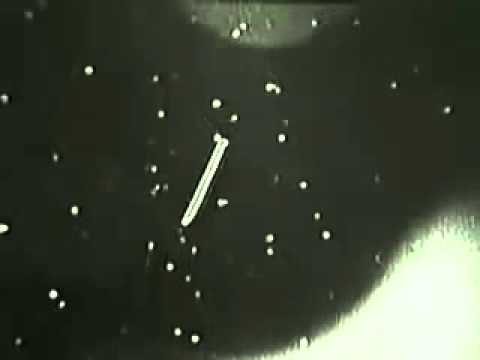
To give context, this was a test to assess power generation via a long (~20.7 km / ~12.86 mile) metal tether in orbit. The tether snapped near end of deployment, but the entire procedure was captured via a UV (ultra violet) camera due to the high energy nature of this and the need to be able to capture all high energy events and details. The footage was... Interesting.
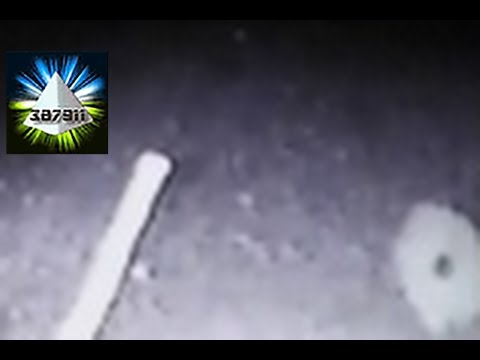
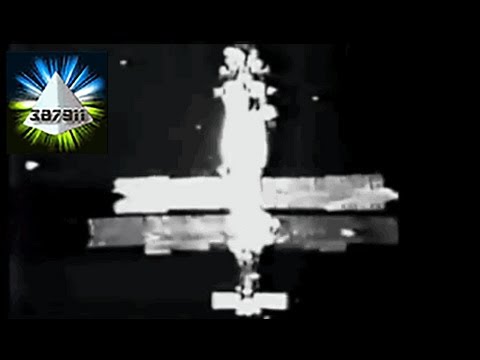
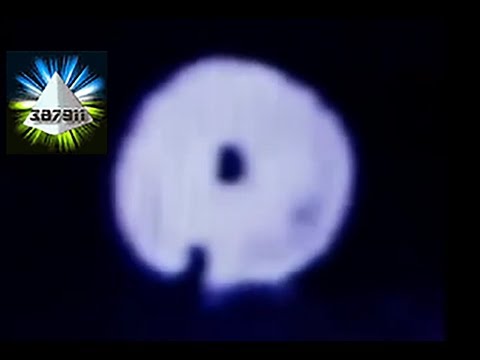
One will note that there are a lot of "objects" that are pulsing and do not move in normal patterns with very sharp and distinct movements that indicate control and/or intelligence.
After the direct footage here, I will share commentary videos below all of this.
Video Footage:
Pure UV footage (about 14 minutes):
Other footage mixed in (about 17 minutes):
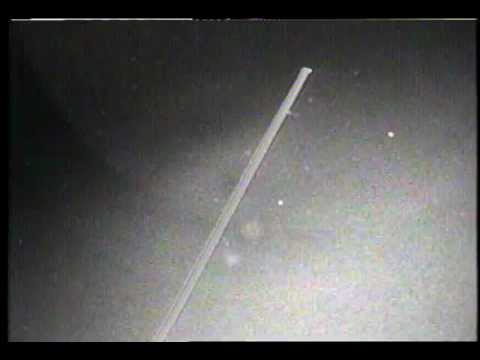
Clearly the capture of high energy phenomena here is the key. It makes one wonder: how much are we not seeing in our own atmosphere and all around us each and every day if so much can be seen like this as we have seen here?
Details about this mission / experiment:
- Mission: STS-75 (Space Shuttle Columbia), 1996-02.
- Experiment: Tethered Satellite System reflight (TSS‑1R). A ~20.7 km / 12.86 mile conducting tether connecting the orbiter to a free‑flying satellite to study electrodynamic tether physics: induce EMF by cutting Earth’s magnetic field, drive current through the ionosphere, characterize plasma–tether coupling, and assess power generation/drag.
What happened:
- Deployment went smoothly until near full extension (≈19.7 km / 12.24 miles).
- The tether snapped near the satellite end. The satellite drifted away in a higher orbit and later reentered. The shuttle remained safe.
- Cameras captured extended footage of the glowing tether and numerous out‑of‑focus particles drifting across the field.
Root cause (engineering - supposedly):
- Not mechanical overload.
- Electrical failure: an insulation flaw near the satellite end allowed an arc from the high‑voltage conductor to the surrounding structure. The arc locally overheated and burned through the tether.
- Contributing factors included: manufacturing/process defects in the dielectric system, local geometry that stressed insulation, and unexpectedly conducive plasma conditions elevating potentials to multi‑kV levels.
- Net: classic high‑voltage-in-vacuum pitfall—tiny dielectric imperfections become catastrophic once you have sustained field, plasma contact, and a long conductor acting like an antenna/collector.
Primary sources to look up (no fluff, engineering‑grade):
- “Tethered Satellite System Reflight (TSS‑1R) Failure Investigation Board Report,” NASA, 1996.
- STS‑75 Mission Report, NASA/JSC.
- TSS‑1R Electrodynamic Measurements summaries from MSFC and partners (instrument data, current/voltage profiles, sheath behavior).
- Optics analyses from JSC camera/sensor teams on the STS‑75 footage (PSF, aperture shape, CCD saturation/blooming).
Now onto commentary videos:
Appears to be the full documentary:

Segments: